
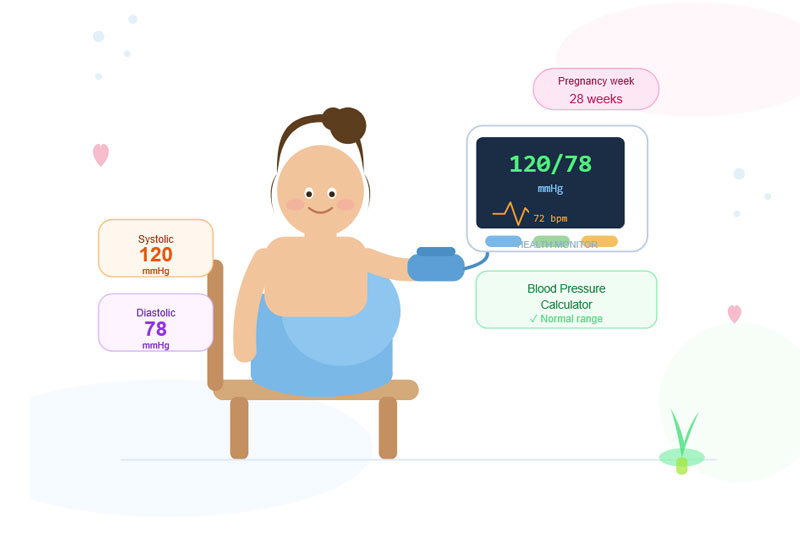
Pregnancy brings a lot of changes — some exciting, some overwhelming. One thing that quietly becomes very important during those nine months is your blood pressure. Keeping an eye on it can make a real difference for both you and your baby. That’s where a blood pressure calculator comes in handy. It’s a simple tool, but knowing how to use it correctly can give you a clearer picture of your health throughout your pregnancy.
Why Blood Pressure Matters So Much During Pregnancy
Your body works overtime during pregnancy. Your heart pumps more blood, your blood volume increases, and your blood vessels have to keep up with all of it. Because of this, blood pressure can shift in ways it normally wouldn’t.
Low blood pressure is common in the first and second trimesters and is usually nothing to worry about. But high blood pressure — especially in the second half of pregnancy — can be a sign of something more serious, like preeclampsia. This condition can put both mother and baby at risk if it’s not caught early.
That’s why doctors check blood pressure at almost every prenatal visit. And using a blood pressure calculator at home between those visits can help you stay on top of things without waiting weeks for your next appointment.
What Is a Blood Pressure Calculator?
A blood pressure calculator is a digital tool — usually available online or as part of a health app — that helps you make sense of your blood pressure readings. You enter your systolic number (the top number) and your diastolic number (the bottom number), and the calculator tells you which category your reading falls into.
Some calculators are more detailed. They factor in your age, how far along you are in your pregnancy, and your recent readings to give you a better overall picture. Others are simple and just tell you whether your numbers are low, normal, or high.
Either way, the goal is the same: to help you understand what your numbers mean without needing a medical degree.
Understanding Your Blood Pressure Numbers
Before you start plugging numbers into a blood pressure calculator, it helps to know what those numbers actually represent.
Your blood pressure reading has two parts:
Systolic pressure — the top number — measures the pressure in your arteries when your heart beats.
Diastolic pressure — the bottom number — measures the pressure when your heart is resting between beats.
A normal reading during pregnancy is generally around 120/80 mmHg or lower. Here’s a quick breakdown of the ranges you might see:
- Normal: Below 120/80 mmHg
- Elevated: 120–129 systolic, less than 80 diastolic
- Stage 1 High Blood Pressure: 130–139 systolic or 80–89 diastolic
- Stage 2 High Blood Pressure: 140/90 mmHg or higher
- Low Blood Pressure (Hypotension): Below 90/60 mmHg
During pregnancy, a reading of 140/90 mmHg or higher is considered high and should be reported to your doctor right away.
How to Take an Accurate Reading Before Using the Calculator
The blood pressure calculator is only as good as the numbers you put into it. If your reading is off, the result won’t be useful. Here’s how to get an accurate measurement:
Sit quietly first. Rushing around or feeling stressed can temporarily raise your blood pressure. Sit down and rest for at least five minutes before taking a reading.
Sit correctly. Keep your back supported, your feet flat on the floor, and your arm resting at heart level. Crossing your legs or slouching can affect the result.
Use the right cuff size. A cuff that’s too small or too large will give you an inaccurate reading. Make sure the cuff fits snugly around your upper arm.
Avoid caffeine and exercise beforehand. Both can temporarily raise your blood pressure. Try to avoid them for at least 30 minutes before measuring.
Take two or three readings. Take your readings a minute apart and note all of them. If they vary a lot, wait a few minutes and try again. Use an average for the most reliable result.
Once you have your numbers, enter them into the blood pressure calculator to see where you stand.
Using the Blood Pressure Calculator Step by Step
Using a blood pressure calculator is straightforward. Here’s how to do it:
- Find a reliable calculator. Look for one from a reputable health website or app — ideally one designed with pregnancy in mind.
- Enter your systolic number. This is the higher number from your reading.
- Enter your diastolic number. This is the lower number.
- Add any extra details if asked. Some calculators ask for your gestational age (how many weeks pregnant you are), your age, or whether you’ve had previous readings.
- Read your result carefully. The calculator will tell you whether your reading is low, normal, or high — and often explain what that means.
- Track your readings over time. A single reading tells you very little. A pattern tells you a lot. Keep a log of your readings with dates and times so you can share it with your doctor.
When to Call Your Doctor
A blood pressure calculator is a helpful guide, but it’s not a replacement for professional medical advice. There are certain situations where you should contact your healthcare provider right away, regardless of what the calculator says:
- Your reading is 140/90 mmHg or higher
- You have a sudden headache that doesn’t go away
- You notice swelling in your face, hands, or feet
- You have vision changes, like blurry or flashing lights
- You feel pain in your upper abdomen
These can be signs of preeclampsia and need immediate attention.
A Few Extra Tips for Healthy Blood Pressure During Pregnancy
Using a blood pressure calculator regularly is a great habit. Pair it with these simple lifestyle habits to support healthy blood pressure throughout your pregnancy:
- Stay hydrated and eat a balanced diet with less salt
- Go for gentle walks or do pregnancy-safe exercises
- Get enough rest and manage stress as much as possible
- Attend all your prenatal appointments
- Share your home readings with your doctor so they have the full picture
Final Thoughts
Keeping track of your blood pressure during pregnancy doesn’t have to be complicated. A blood pressure calculator gives you a quick and easy way to understand your numbers between doctor visits. When used alongside regular check-ups and a healthy lifestyle, it becomes a small but powerful part of taking care of yourself and your baby.
Always remember — when in doubt, reach out to your doctor. Your health and your baby’s health are always worth the call.